What Is a Dental Crown
Sep 03, 2024
In this article, I will explain what a dental crown is by exploring its historical development and the evolution of materials used.
1. Metal Crowns
Metal crowns, primarily made of nickel-chromium alloys, were once widely used due to their affordability. However, this technology has been largely phased out, especially in developed countries. Unfortunately, in some underdeveloped regions, metal crowns are still used. One of the significant drawbacks of nickel-chromium crowns is the leaching of nickel ions over time. Approximately 15% of users experience mild toxicity or allergic reactions. Furthermore, these crowns can cause nickel to accumulate around the gum line, leading to gum discoloration, such as blackening.

2. Ceramic Crowns
The introduction of ceramic materials to the dental industry occurred in the early 19th century, marking a significant advancement. Ceramic crowns offered better biocompatibility and durability than metal crowns. However, they were initially challenging to produce, requiring extensive manual craftsmanship and multiple firings in a kiln. It wasn't until the early 20th century that new materials and techniques emerged, such as metal-ceramic crowns. These crowns combined the strength of metal with the aesthetic benefits of ceramic, providing patients with a more natural-looking appearance and improved durability.

3. Zirconia Crowns (Digital Dentistry)
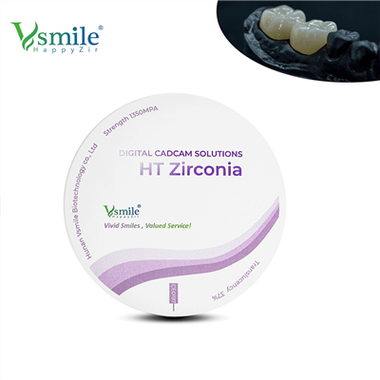
With the advancement of technology, modern digital techniques and computer-aided design and manufacturing (CAD/CAM) have revolutionized crown production. Zirconia crowns, made from highly durable and aesthetically pleasing materials, are now a preferred choice. The digital workflow enables more precise and efficient crown fabrication. Using 3D scanning, digital design, and CNC machining, dentists can complete the entire process in just a few hours, significantly reducing the production time and patient wait time.
In addition to zirconia, other high-quality materials like Emax and lithium disilicate have become popular in recent years. While these materials are primarily used in cosmetic dentistry for veneers, some laboratories have also begun utilizing them for crowns due to their superior aesthetic qualities.

Conclusion
As technology continues to advance, the dental industry has made significant strides, officially entering the digital age. With the improvement in living standards, dental care has become a growing concern for many individuals. The constant innovation in dental materials and techniques is crucial for providing better solutions to patients' needs.
At Vsmile, we stay at the forefront of these developments by adopting cutting-edge technologies and focusing on customer needs. We are committed to offering high-quality services and helping our clients grow by providing one-stop solutions for creating healthy, beautiful teeth.