The difference between alloy and zirconia
Sep 02, 2024
The development of global dental prosthetic technology is a testament to the progress in medical science and the evolving needs of patients. From the early use of alloy dentures to today's advanced digital zirconia restorations, this transformation has brought significant improvements in materials, techniques, aesthetics, and clinical applications. Here are five key aspects of this evolution.
1. Material Advancements
Alloy dentures, particularly nickel-chromium alloys, were once the primary choice for dental restorations due to their strength and durability. However, their aesthetic limitations and the potential for allergic reactions in some patients made them less than ideal. With advancements in material science, zirconia has become the preferred choice for dental prosthetics. Zirconia offers a more natural tooth-like appearance, superior biocompatibility, and excellent resistance to corrosion, significantly enhancing the overall outcome of dental restorations.
2. Aesthetic Improvements
Aesthetics were a notable drawback of alloy dentures, as their metallic color did not resemble natural teeth, making them less desirable for patients seeking a visually pleasing restoration. Zirconia, on the other hand, closely mimics the color and translucency of natural teeth. Its ability to blend seamlessly with surrounding teeth has made it the go-to option for patients who prioritize aesthetics, especially in visible areas of the mouth.
3. Technological Advancements
The introduction of digital technology has revolutionized the field of dental prosthetics, moving away from the limitations of traditional handcrafting. CAD/CAM technology allows dentists to digitally scan the patient's oral structure and design highly customized prosthetics with precision. This not only increases the accuracy of the restorations but also significantly reduces production time, while minimizing human error.
4. Expanded Clinical Applications
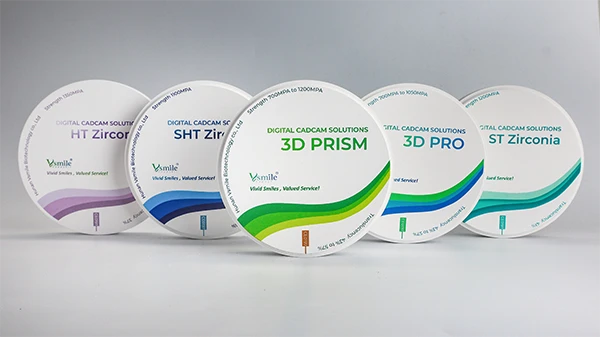
Due to their exceptional mechanical properties, wear resistance, and biocompatibility, zirconia restorations are widely used in various dental treatments, including single-tooth restorations, bridges, and full-mouth rehabilitations. Their strength and durability make them suitable for complex clinical cases, offering long-term stability and success for patients with diverse dental needs.
5. Environmental and Safety Considerations
Traditional metal materials often raised concerns related to environmental impact and patient safety during manufacturing and use. Zirconia, a non-metallic material, is biocompatible and environmentally friendly. It is non-toxic, hypoallergenic, and poses minimal health risks, while also reducing the environmental footprint typically associated with metal-based restorations. Its green profile makes zirconia an attractive choice for both patients and practitioners seeking safer, more sustainable options.
Conclusion
In summary, digital zirconia restorations represent the future of dental prosthetic technology. By combining enhanced aesthetics, durability, and comfort with a focus on environmental sustainability, zirconia has become the ideal material for modern dental restorations. This evolution reflects the industry's commitment to advancing patient care and embracing innovation, making zirconia-based prosthetics the preferred choice in contemporary dental practice.