

How to Choose the Right Zirconia Material?
Jan 10, 2025
1. Material Strength

High-Strength Zirconia
High-strength zirconia is the ideal choice for posterior restorations or cases that require the ability to withstand high occlusal forces, such as molar crowns. These materials, such as the HT White series, are known for their excellent mechanical properties, withstanding pressures of up to 1350 MPa. Their dense crystal structure ensures resistance to fractures or chipping under significant biting forces, making them a reliable option for functional restorations.
Medium-Strength Zirconia
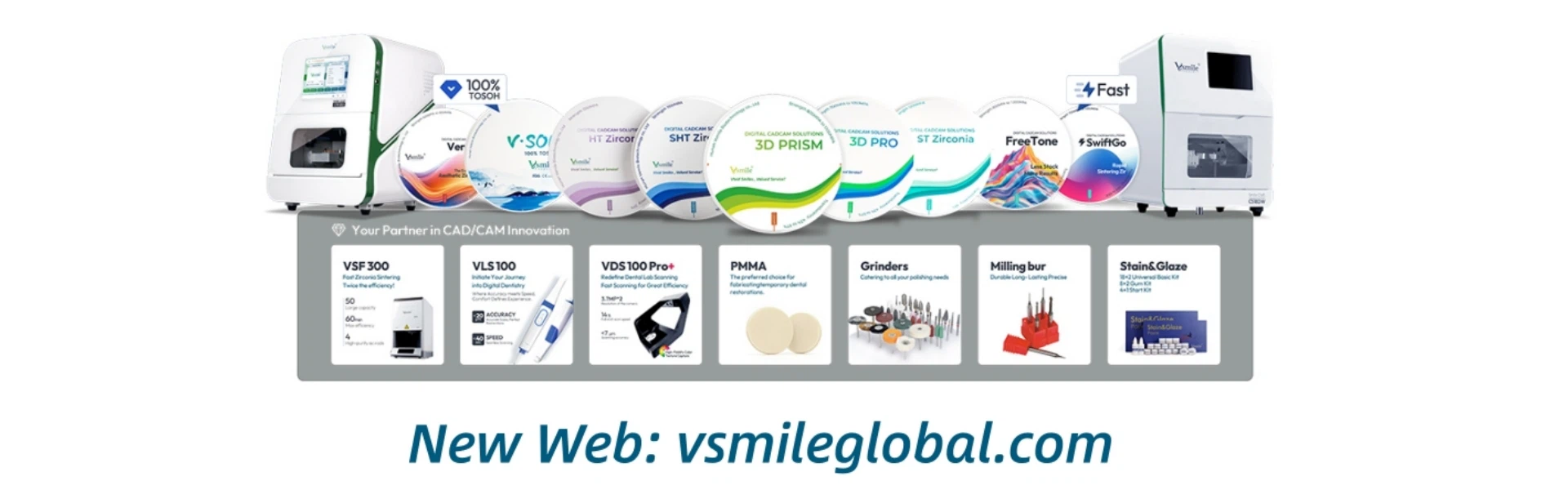
Medium-strength zirconia is better suited for anterior or premolar regions, where the biting force is relatively lower. With a strength of 700-1200 MPa, materials such as 3D Prism, 3D Pro, and ST series are popular choices. These zirconia materials maintain a balance between mechanical strength and aesthetics, making them suitable for daily use in anterior restorations, offering both functionality and an appealing appearance.

2. Transparency and Aesthetics
Dental Beauty

High-Transparency Zirconia
High-transparency zirconia shines in anterior restorations, where aesthetics are a top priority. With a light transmittance rate of over 50%, these materials effectively replicate the optical properties of natural teeth. Products such as 3D Prism, 3D Pro, and SwiftGo are well-suited for this purpose. Their ability to mimic the refraction and reflection of light in natural teeth makes these materials a favorite among dental labs focusing on aesthetic restorations. They deliver highly realistic results, making veneers or full-contour crowns look virtually indistinguishable from natural teeth.
Standard Transparency Zirconia
For posterior restorations or cases where aesthetics are less critical, zirconia with standard transparency (around 40% light transmittance) is a more cost-effective choice. While these materials may not appear as natural as their high-transparency counterparts, they are fully functional and come at a lower cost. This makes them ideal for patients who are more price-sensitive.

3. Biocompatibility
High-Quality Biocompatible Zirconia
All dental zirconia materials must possess a certain degree of biocompatibility. However, for patients with allergies or those requiring higher biological safety, it is essential to choose zirconia materials with enhanced biocompatibility. These materials undergo rigorous biological safety testing and are less likely to cause gingival inflammation, allergic reactions, or other adverse effects. They work harmoniously with surrounding oral tissues, promoting long-term oral health and patient comfort.
Standard Biocompatible Zirconia
For most patients without specific allergies or biological safety concerns, standard biocompatible zirconia materials are sufficient. These materials are economical and effective, meeting the needs of everyday dental restorations in a wide variety of clinical scenarios.
4. Cost Considerations
High-End Zirconia
Some zirconia materials with proprietary technologies and exceptional performance come at a higher price point. These materials often excel in strength, transparency, and biocompatibility. For example, zirconia developed using advanced nanotechnology or special additives typically incurs higher research and development costs, which is reflected in their market price. High-end zirconia is an excellent option for patients with higher budgets and stricter restoration requirements.
Budget Zirconia
There are also many affordable zirconia options available on the market. These materials are capable of meeting the basic needs of most patients, such as standard crown and bridge restorations. While they may not perform as well as premium zirconia in certain aspects, they offer excellent cost-effectiveness. Budget zirconia is particularly suitable for patients with limited budgets or for non-critical restorations.
About vsmile
Since the company was founded, vsmile has been gradually going global, and the number of users following vsmile has been growing rapidly every year.
-
5K +Collaborative Laboratory
-
45 +Collaborative Laboratory


Conclusion
When selecting zirconia materials, dentists must consider the patient's specific circumstances, including the restoration site, aesthetic expectations, occlusal forces, financial situation, and any special requirements such as allergies. By carefully evaluating these factors, the most appropriate zirconia material can be chosen for each patient.
Whether prioritizing high strength, superior aesthetics, or excellent biocompatibility, zirconia materials can cater to diverse patient needs. Products like the 3D Prism series, with their multi-layer gradient design and outstanding mechanical properties, provide efficient and high-quality solutions for dental restorations. Choosing the right zirconia material not only enhances patient satisfaction but also helps dentists achieve optimal treatment outcomes.


