

Dental Milling Machine ROI Explained
Mar 02, 2026
What Labs in the Dominican Republic Need to Know
Investing in a dental milling machine can be a significant decision for a dental lab. In the Dominican Republic, where the market is rapidly evolving and competition is intensifying, understanding the return on investment (ROI) of a milling machine is essential for making an informed decision.
In this guide, we break down the ROI of dental milling machines, how they improve efficiency, reduce costs, and ultimately add value to your lab's operations. Let's explore how this investment can pay off in the long run.
1. Understanding the Cost of Dental Milling Machines
Before we dive into ROI, it's important to consider the initial cost of a milling machine. The cost of a dental milling machine can vary greatly based on:
Machine type (entry-level vs. high-end models)
Material compatibility (zirconia, PMMA, wax, etc.)
Brand and features (e.g., precision, speed, ease of use)
For dental labs in the Dominican Republic, this initial investment can range from a few thousand dollars to tens of thousands of dollars, depending on the machine's capabilities and the lab's needs.
Key Takeaway: The initial cost may seem high, but with the right machine and usage, the ROI can be realized quickly.
2. How a Milling Machine Improves Efficiency
A dental milling machine directly impacts your lab's efficiency by:
Reducing labor time: Milling machines automate the process, cutting down the need for manual labor and the time it takes to create restorations.
Increasing production capacity: A milling machine can work 24/7, increasing throughput without the need for additional staff.
Streamlining workflows: From design to production, CAD/CAM systems work seamlessly with milling machines, reducing human errors and enhancing the accuracy of restorations.
By enabling faster turnaround times, milling machines help labs meet tight deadlines and improve their client satisfaction. This directly impacts profitability, especially as the demand for quicker restorations increases in competitive markets like the Dominican Republic.
3. Material Savings and Waste Reduction
One of the most important ways a dental milling machine contributes to ROI is by reducing material waste. Traditional methods, like handcrafting restorations or outsourcing, can be wasteful-leading to overproduction, underuse, or material loss during the manufacturing process.
With a milling machine, labs can:
Use materials efficiently: CAD/CAM designs optimize material use, cutting down on excess waste.
Recycle leftover material: Many systems allow labs to recycle or reuse material that didn't meet the required standards, reducing costs.
Reduce remakes: By providing more precise cuts, milling machines reduce errors and the need for rework, which can be costly.
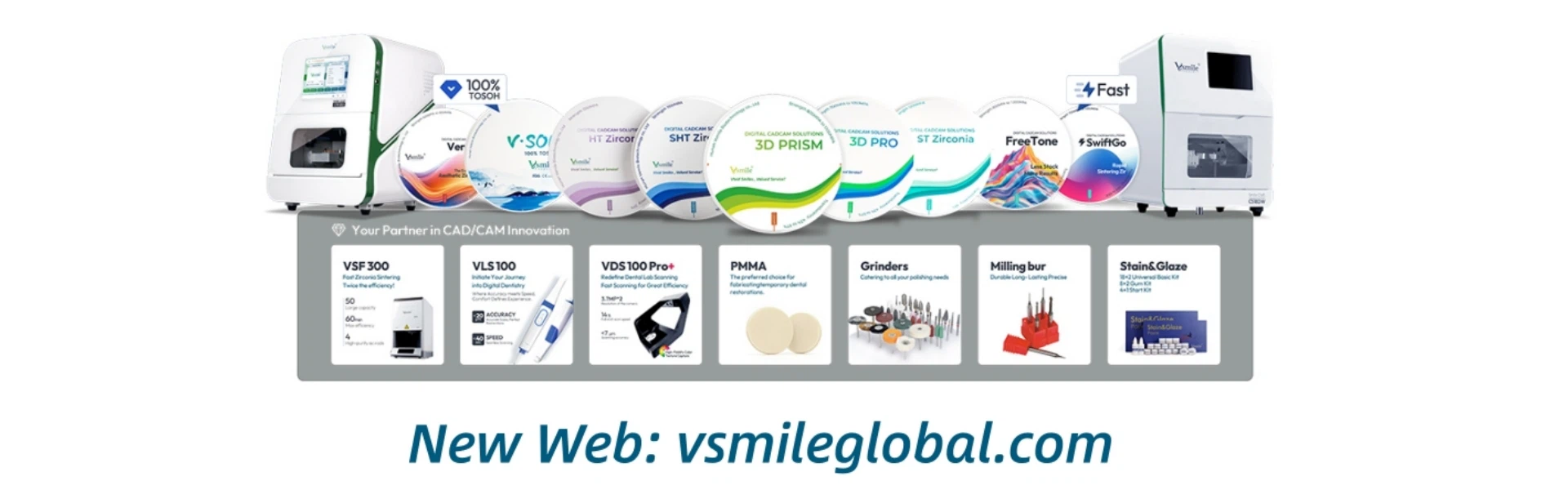
For example, using a high-precision machine like Vsmile's Dental Milling Machines can significantly reduce material wastage and improve accuracy, helping you save on costs in the long term. You can explore Vsmile's milling machines here: Vsmile Dental Milling Machines.
4. Improving Quality and Consistency
A key factor in achieving ROI from a milling machine is the improvement in quality. Milling machines produce precise and consistent restorations every time. With consistent results, you reduce the risk of remakes and improve your lab's reputation for delivering high-quality work.
Milling machines also provide superior accuracy when working with complex materials like zirconia and PMMA, allowing for higher-quality crowns, bridges, and implant restorations.
By choosing high-quality materials like Vsmile Zirconia Blocks and PMMA Discs, you ensure that the materials used with your milling machine provide long-lasting, aesthetically pleasing results that meet patient expectations. This leads to better client retention and reduced costs associated with corrections or dissatisfaction.
5. Long-Term Cost Savings and ROI Calculation
The long-term ROI of a milling machine can be calculated by considering:
Increased production efficiency (higher volume, less labor)
Material cost savings (less waste and more efficient use of materials)
Reduced remakes (higher accuracy and fewer errors)
Faster turnaround times (more satisfied clients)
When evaluating ROI, consider the break-even point, which is the point at which the savings from increased efficiency and reduced costs offset the initial investment in the milling machine. Many labs see a return on investment within the first 1–2 years of ownership, depending on the volume of cases handled and the machine's usage rate.
6. The Payoff: Faster Turnaround and More Revenue
One of the most immediate financial benefits of owning a milling machine is the ability to increase your lab's revenue. Faster production times mean more cases can be completed in less time. This can be crucial for labs in competitive markets, such as the Dominican Republic, where speed often matters just as much as quality.
Moreover, as patient expectations continue to rise, clinics are looking for labs that can provide high-quality, timely restorations. By offering quicker delivery and reducing turnaround times, your lab can increase its customer base and charge a premium for fast service, thereby increasing overall revenue.
Final Thoughts: Maximizing ROI with the Right Dental Milling Machine
Investing in a dental milling machine is not just about buying new equipment-it's about optimizing your lab's workflow, efficiency, and material usage. The ROI of milling machines in the Dominican Republic is clear: they help labs reduce costs, increase revenue, and deliver higher-quality results.
By selecting the right machine, such as the Vsmile Milling Machines and pairing it with high-quality materials like Zirconia, PMMA, and Lithium Disilicate, you set your lab up for success.
A milling machine may have a high upfront cost, but its long-term savings, efficiency gains, and quality improvements make it a valuable investment for any dental lab looking to stay competitive and profitable.


